
Planes:
International flights can range from super affordable (under $500 if you’re lucky) to painfully expensive (over $2,000), especially for long-haul routes that can take 20+ hours. On the bright side, some international flights are surprisingly short, depending on where you’re flying from, making them a convenient option for quick cross-border getaways.
Domestic flights are usually quicker and more budget-friendly, often only a couple of hours or less. They’re a solid option when you need to cover a lot of ground without the long-haul fatigue or airport chaos that comes with international travel.
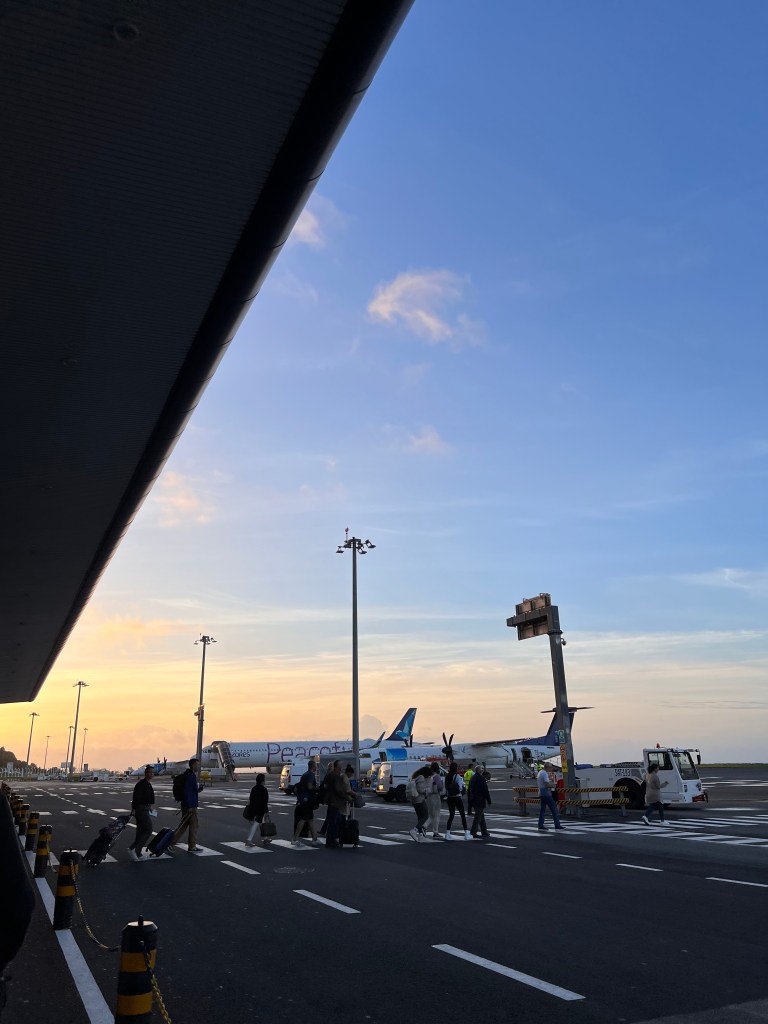
Puddle jumpers are short, budget-friendly flights that typically use smaller planes to hop between nearby towns or islands. They’re practical for reaching more remote destinations, but if you’re not a fan of small aircraft, it’s something to keep in mind.
Trains:
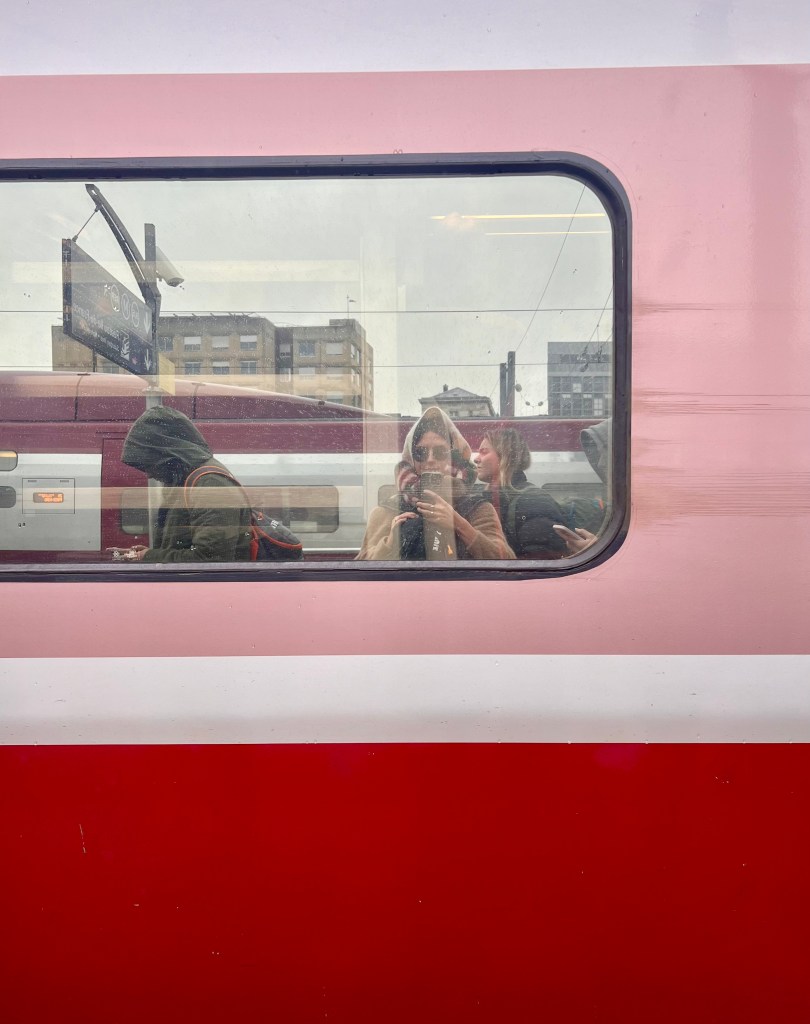
Intercity trains are fantastic, especially in Europe. They’re fast, efficient, and give you the chance to soak in the scenery while avoiding airport stress. Whether you’re zipping between major cities or smaller towns, they’re usually a reliable and comfortable option.
If you’re planning to explore Europe for more than a week, a Eurail pass is a game-changer. It offers flexible routes across multiple countries, and the app makes trip planning easy. Just remember that some trains require seat reservations, while this may come with a small fee, it’s generally affordable and ensures you won’t be stuck standing.
For high-speed travel, the Eurostar is a must if you get the chance. The Paris to London route was one of my favourite travel experiences — it’s fast, smooth, and honestly beats dealing with airport security. If you’re bouncing between major cities, this is the way to go.
Buses:
Intercity buses in New Zealand are a great option, especially if you grab a pass. The country’s landscapes are massive and more spread out than you might expect, so buses are an affordable, scenic way to get around, just prepare for longer rides between destinations.
FlixBus is a staple in Europe, especially for longer routes where trains don’t run. It’s convenient and budget-friendly, but when possible, I’d still pick a train over a bus, they’re usually faster and more comfortable. FlixBus is best for those out-of-the-way towns that are tricky to reach by rail.
Public buses are hit or miss depending on where you are. In cities with solid infrastructure, they’re an easy, low-cost option. That said, if you’re in Europe, I’d still recommend sticking to trains when possible, they’re smoother, faster, and usually more reliable for getting around.


Ferries/Boats:
Ferries are a fun way to travel, offering a mix of transportation and sightseeing. In New Zealand, especially around Auckland, ferries to nearby islands are frequent, fast, and a scenic experience in themselves. Europe’s ferry system is less common and generally slower, but still worth it for certain routes, especially if you want a more unique way to experience coastal views.
The one downside to ferries is that they’re weather-dependent. Cancellations can leave you stuck, especially if you’re on an island with limited service. If you’re good on the water and open to a more laid-back journey, though, they’re a great option for a change of pace.
and more:
Ubers are a reliable, straightforward option if your budget allows it. They’re convenient, especially late at night or in cities where public transport slows down, though costs can add up fast if you rely on them too much.
Street cars are a fun, authentic way to get around in some cities. They’re worth trying if you’re up for the adventure, though they can feel a bit intimidating if you’re unfamiliar with the routes or ticket systems. Once you get the hang of it, they’re a cool way to see the city from a local’s perspective.
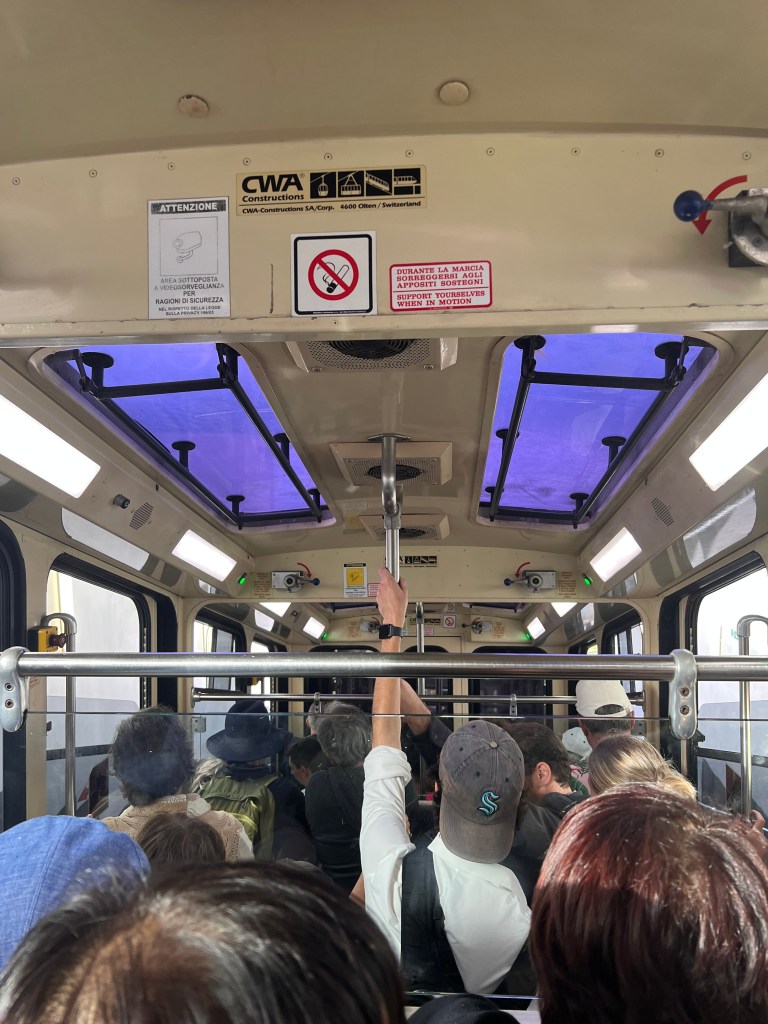
Gondolas are a must-try experience, whether you’re floating through Venice or riding up a mountain for panoramic views. If you’re nervous about heights, though, this might be one to think twice about. But if you’re up for it, the views (and the experience itself) are hard to beat.
 Halfway to Somewhere